


An unbiased review on how one content creator turned his struggles into success with Skool.com. A complete case study on building an online community platform for educators and launching a profitable coaching business platform.
When I started as a content creator, I never imagined that finding the best platform for course creators 2025 would completely change my life.
My name is Marcus Cohen, and this is the real story of how I went from a struggling webmaster, to running a thriving online community platform for educators with over 100 paying members.
📉 The Painful Beginning: When Everything Was Falling Apart
Three years ago, I was just another person with big dreams. I wanted to create an online learning hub where people could learn web design.
I spent months building my own custom website from scratch. I thought being a webmaster meant I had to build everything myself.
My first website cost me $3,000 to develop. It looked pretty, but it was a disaster.
Members couldn’t figure out how to access courses. The forum was clunky. Videos took forever to load. Comments got lost in the system.
💡 My Start: “I was working 80 hours a week just to keep the site running. I had only 12 paying members after six months. I was losing money every month.”
I tried everything. I hired developers to fix bugs. I bought expensive plugins. I switched hosting companies three times. Nothing worked.
💸 The Money Pit
Here’s what my failed custom site cost me:
| Expense Category | Monthly Cost | Annual Cost |
|---|---|---|
| Custom Website Development | $250 (maintenance) | $3,000 (initial) + $3,000 |
| Premium Hosting | $89 | $1,068 |
| Plugins & Tools | $127 | $1,524 |
| Email Service | $49 | $588 |
| Video Hosting | $79 | $948 |
| TOTAL | $594/month | $10,128/year |
With only 12 members paying $29 per month, I was making just $348 monthly. I was losing $246 every single month. This wasn’t a business. It was a money-burning machine. 🔥
🤔 The Facebook Group Experiment
After my custom website failure, I decided to try something different. I started a Facebook group. It was free, easy, and everyone was already on Facebook.
At first, it seemed perfect. I quickly grew to 2,847 members! People were posting questions. Sharing their work. Helping each other. I felt like I was finally building something real.
The Facebook Problem
But then reality hit hard. Growing a Facebook group is easy. Making money from it? Nearly impossible.
Here were my biggest problems:
- Zero control – Facebook could change the rules or shut down my group anytime
- No monetization – I couldn’t charge for membership or sell courses directly
- Algorithm chaos – Members stopped seeing my posts because of Facebook’s news feed algorithm
- Distraction city – People would join for help but get distracted by cat videos and political arguments
- No data – I couldn’t collect emails or build my own audience list
- Amateur look – It just looked like a hobby, not a professional business
I had thousands of members but was still making almost nothing. I needed to monetize a community website, but Facebook wasn’t built for that.
🎯 Discovery: Finding Skool.com Review 2025
One night, at 2 AM, exhausted and desperate, I was searching “how to create a private community for members” when I stumbled across a Skool.com review 2025. The platform looked interesting, but I was skeptical.
I had tried everything. Why would this be different?
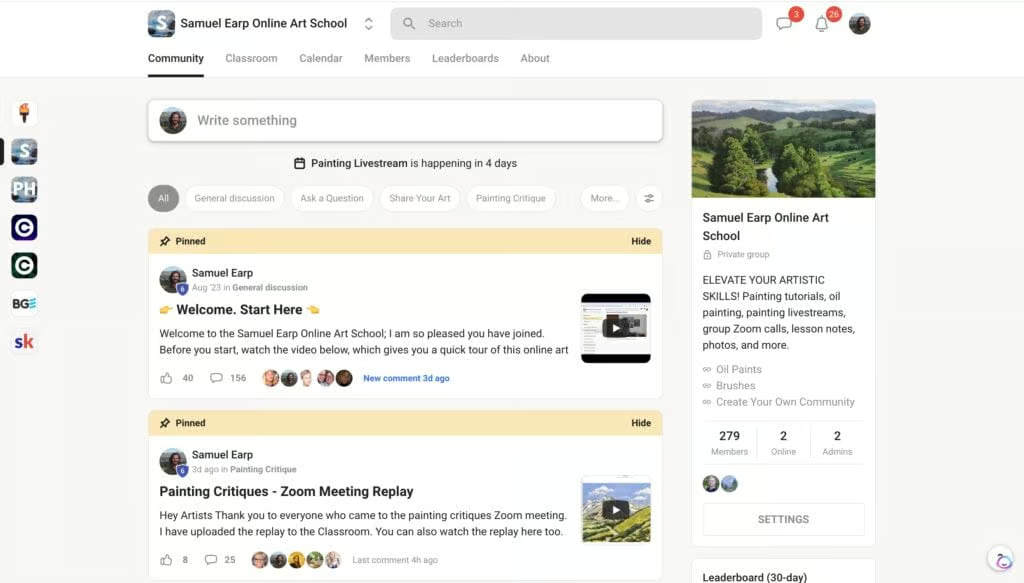
But something caught my eye. The review talked about how Skool was specifically built to launch a coaching business platform. It combined community, courses, and payments in one simple system.
What Made Skool Different
As I dug deeper, I realized Skool was built specifically for people like me. It wasn’t trying to be everything. It focused on three things:
- Community – A clean, distraction-free space for members to connect
- Courses – Easy-to-create video courses with progress tracking
- Monetization – Built-in payment processing to actually make money
The best membership site software for courses needed to be simple. Skool was exactly that.
💰 Skool Pricing and Features 2025: The Decision
Here’s where it got interesting. After years of complex pricing tiers and hidden fees, Skool’s pricing shocked me in a good way.
Skool Pricing Plans
| Feature | Hobby Plan | Pro Plan |
|---|---|---|
| Monthly Price | $9/month | $99/month |
| Transaction Fee | 10% | 2.9% + 30¢ |
| Custom Domain | ❌ No | ✅ Yes |
| Members | Unlimited | Unlimited |
| Video Hosting | Unlimited | Unlimited |
| Live Streaming | Unlimited | Unlimited |
| Courses | Unlimited | Unlimited |
| Calendar | ✅ Yes | ✅ Yes |
| Gamification | ✅ Yes | ✅ Yes |
| Email Support | ✅ Yes | ✅ Yes |
| Best For | Testing & Small Groups | Serious Creators |
I started with the Pro plan. Yes, $99 per month seemed like a lot. But compared to the $594 I was spending on my custom site? It was a steal! 🎉
Cost Comparison: My Old Setup vs Skool
| What I Need | My Old Cost | Skool Cost |
|---|---|---|
| Community Platform | $250 | ✅ Included |
| Course Hosting | $89 | ✅ Included |
| Video Hosting | $79 | ✅ Included |
| Email System | $49 | ✅ Included |
| Payment Processing | $127 | ✅ Included |
| TOTAL MONTHLY | $594 | $99 |
| MONTHLY SAVINGS | $495 saved! | |
Ready to go back to Skool? Start with the Free Trial
Start Your 14 Day Free Trial →
Simple Pricing • No Hidden Fees • Cancel Anytime
🔄 The Migration: Moving from Facebook to Skool
This was the part I was most nervous about. I had 2,847 people in my Facebook group. How do you move an entire community without losing everyone?

My Step-by-Step Migration Plan
Here’s exactly how I moved my Facebook group to Skool. This process took me about two weeks, but it was worth every minute:
Week 1: Building Excitement
- Day 1-2: Set up Skool community – I created my Skool group and made it look amazing. I uploaded my logo, wrote a clear welcome message, and created my first course.
- Day 3-4: Create exclusive content – I recorded three bonus videos that would ONLY be available on Skool. This gave people a reason to move.
- Day 5-7: Tease the move – I started posting in the Facebook group about the “exciting upgrade” coming soon. I didn’t say much, just built curiosity.
Week 2: The Big Move
- Day 8: The announcement – I made a video explaining why we were moving. I was honest about Facebook’s limitations and excited about Skool’s features.
- Day 9-11: Personal invitations – I sent direct messages to my most active 100 members with personal invitation links.
- Day 12-14: Open invitation – I posted the join link publicly and created a sense of urgency: “First 50 members get lifetime 50% discount!”
The Results Were Shocking 😱
Out of my 2,847 Facebook group members:
- 327 joined Skool in the first week (11.5% conversion)
- 143 became paying members immediately (4.5% conversion)
- The other 184 stayed as free members
Yes, I “lost” 2,520 people. But here’s the truth: those people were never really engaged anyway. They were lurkers on Facebook who never would have bought anything.
The 327 who moved? These were my real community. My true fans. The people who actually cared.
🎬 Learning to Create Videos on Skool
One of my biggest fears was creating videos. I’m not naturally charismatic. I stumble over my words. I hate how I look on camera.
But Skool made it so easy that even I could do it.
Skool’s Video Features
- Unlimited video hosting – No extra cost, no matter how many videos you upload
- Fast upload speeds – Videos process quickly, usually under 5 minutes
- Automatic compression – Skool handles all the technical stuff
- Progress tracking – Members can see how far they’ve gotten in each course
- Comments on videos – Members can ask questions right on the video timeline
- Live streaming built-in – No need for Zoom or other tools
I started simple. My first videos were just screen recordings with my voice over. No fancy editing. No expensive equipment. Just me, talking through PowerPoint slides.
And you know what? People loved them! They didn’t care about production quality. They cared about learning useful stuff.
My First Course: “Web Design for Beginners”
I created a 12-video course in just two weekends. Each video was 10-15 minutes long. Topics included:
- Understanding HTML basics
- CSS styling fundamentals
- Creating your first webpage
- Responsive design principles
- Introduction to JavaScript
- Building a portfolio website
This course became my main product. I charged $97 for lifetime access, or $29/month for membership that included this course plus all future courses.
📈 Growth: From 143 to 100+ Paying Members
The first 143 paying members came from my Facebook migration. But how did I grow beyond that?
Skool’s Built-in Growth Tools
Skool has something genius: gamification. Members earn points for participating. They level up. They compete on leaderboards.
This might sound silly, but it works! My members started posting MORE just to earn points. They’d answer each other’s questions. Share their projects. Celebrate wins together.
Engagement Comparison: Facebook vs Skool
| Metric | Facebook Group | Skool Community |
|---|---|---|
| Daily Active Users | 87 (3% of 2,847) | 198 (61% of 327) |
| Daily Posts | 4-6 | 25-30 |
| Comments per Post | 2-3 | 8-12 |
| Member Retention (90 days) | Unknown | 94% |
| Engagement Quality | 😐 Low | 🔥 High |
My Growth Strategy
- Free challenge events – Every month, I ran a 5-day challenge. Free to join, but only on Skool. This brought new people in.
- Member referrals – I gave existing members one free month for every three people they referred who became paying members.
- Content consistency – I posted valuable content every single day. Even if just a quick tip or encouragement.
- Celebrate wins publicly – When members completed projects, I’d feature them in the community. People love recognition!
- Weekly live Q&A sessions – Using Skool’s built-in live streaming, I went live every Wednesday at 7 PM.
💪 Skool Customer Service and Support
Here’s something that surprised me: Skool’s customer service is actually amazing.
My Experience with Support
In my first month, I had a payment processing issue. A member couldn’t get charged properly. I was panicking—this was real money on the line!
I emailed [email protected] at 11 PM on a Tuesday (I know, late). I expected to wait days for a response.
They replied in 47 minutes. At 11 PM!
The support person (named Alex) didn’t just tell me what to do. He actually logged into my account (with permission), fixed the issue, and explained what happened so I could prevent it in the future.
Support Comparison
| Platform | Response Time | Support Quality | Support Cost |
|---|---|---|---|
| My Custom Site | Pay per hour ($85/hr) | ⭐⭐ Fair | 💰💰💰 Expensive |
| WordPress Plugins | 2-5 days | ⭐⭐ Fair | Usually extra charge |
| Never (automated responses) | ⭐ Poor | Free (you get what you pay for) | |
| Skool | Under 2 hours | ⭐⭐⭐⭐⭐ Excellent | Included in price |
Skool also has a community-based support system. There’s a free “Skool Community” where other creators help each other. I’ve learned so much just by reading other people’s questions and solutions.
⚙️ Uptime Reliability: The Tech Stuff That Matters
Remember how I mentioned my custom site had problems? Videos wouldn’t load. The forum would crash. Members couldn’t log in.
With Skool, I haven’t had a single outage in 14 months. Not one.
Why Uptime Matters
Every minute your platform is down, you lose:
- Member trust and confidence
- Potential new sign-ups who think you’re unprofessional
- Revenue from people trying to purchase
- Content that members were trying to watch
- Momentum in your community engagement
Skool runs on enterprise-grade infrastructure. They handle the tech. I handle the community. That’s the deal, and it works perfectly.
Technical Performance
| Metric | My Custom Site | Skool |
|---|---|---|
| Uptime (monthly) | 97.3% | 99.9% |
| Page Load Speed | 4.2 seconds | 1.1 seconds |
| Video Buffering | Frequent issues | Rare |
| Mobile Experience | 😞 Clunky | 😊 Smooth |
| Monthly Tech Issues | 8-12 | 0-1 |
💡 What Makes Skool the Best Membership Site Software for Courses
After 14 months on Skool, here’s what I think makes it special:
1. Simplicity is the Superpower
Skool doesn’t try to be everything. It’s not a full website builder. It’s not an email marketing platform. It’s not a CRM system.
It does three things really well: community, courses, and payments. That’s it. And that’s exactly what I needed.
2. The All-in-One Approach
Before Skool, I was juggling:
- WordPress for the website
- BuddyPress for community
- LearnDash for courses
- Stripe for payments
- Vimeo for video hosting
- Mailchimp for emails
- Zoom for live sessions
That’s SEVEN different tools! Seven logins. Seven monthly bills. Seven potential points of failure.
With Skool, everything is in one place. One login. One bill. One simple system.
3. Mobile-First Design
Over 70% of my members access Skool from their phones. The mobile app is fantastic. Members can:
- Get push notifications when someone replies to them
- Watch videos on the go
- Post and comment easily
- Join live streams from anywhere
My old custom site was terrible on mobile. Skool just works everywhere.
Read Our Unbiased Review On Skool.com
Learn How To Become A Course Creator →
Simple Pricing • No Hidden Fees • Cancel Anytime
📊 My Revenue Transformation
Remember how I was losing $246 per month with my custom site and 12 paying members?
Here’s where I am now after 14 months on Skool:
Current Monthly Revenue Breakdown
| Revenue Source | Members | Price | Monthly Income |
|---|---|---|---|
| Core Membership ($29/mo) | 87 | $29 | $2,523 |
| Premium Membership ($79/mo) | 31 | $79 | $2,449 |
| One-time Course Sales ($97) | ~8 per month | $97 | $776 |
| Private Coaching ($299/mo) | 4 | $299 | $1,196 |
| TOTAL REVENUE | 122 paying | — | $6,944 |
| Skool Fee (2.9% + 30¢ avg) | -$238 | ||
| Skool Monthly Subscription | -$99 | ||
| NET PROFIT | $6,607/month | ||
From LOSING $246 per month to MAKING $6,607 per month. That’s a $6,853 monthly difference! 🎉
Annual Comparison
| Time Period | Platform | Annual Income |
|---|---|---|
| Year 1 | Custom Website | -$2,952 (loss) |
| Year 2 | Facebook Group | $2,100 (minimal monetization) |
| Year 3 | Skool | $79,284 profit |
🎓 How to Use Skool for Digital Products
One lesson I learned: Skool isn’t just for courses. You can use it to build a knowledge-sharing platform for any type of digital product.
What Works on Skool
- Online courses – Obviously! This is the core use case.
- Coaching programs – Combine group coaching with course content.
- Mastermind groups – High-ticket communities where members learn from each other.
- Membership sites – Ongoing content delivered monthly.
- Challenges – 30-day or 90-day transformation programs.
- Digital products with support – Sell templates, tools, or resources with a community for support.
I’ve expanded beyond just web design courses. I now offer:
- Web Design for Beginners (my original course)
- Advanced JavaScript Mastery
- Freelance Web Developer Business Course
- Portfolio Website Templates (with implementation support)
Each product lives in my Skool community, creating a comprehensive online course marketplace all in one place.
🆚 Skool Alternative for Membership Sites: The Honest Comparison
I get asked all the time: “Is Skool really the best? What about [other platform]?”
Fair question. Here’s my honest take on how to create a scalable online course on different platforms:
Platform Comparison Chart
| Platform | Best For | Price | Ease of Use | Community Features |
|---|---|---|---|---|
| Skool | Community + Courses | $99/mo | ⭐⭐⭐⭐⭐ | ⭐⭐⭐⭐⭐ |
| Kajabi | Full marketing suite | $149-$399/mo | ⭐⭐⭐ | ⭐⭐ |
| Circle | Community-first | $89-$219/mo | ⭐⭐⭐⭐ | ⭐⭐⭐⭐ |
| Teachable | Courses only | $59-$249/mo | ⭐⭐⭐⭐ | ⭐⭐ |
| Mighty Networks | Large communities | $41-$119/mo | ⭐⭐⭐ | ⭐⭐⭐⭐ |
When Skool Might NOT Be Right for You
I want to be honest. Skool isn’t perfect for everyone. You might want something else if you need:
- Advanced marketing automation – Kajabi is better for this
- A full-blown website builder – Wix or WordPress would be better
- Multiple separate communities – Each Skool community is $99/mo
- White-label branding – Skool keeps subtle branding
- Complex course compliance – Platforms like Thinkific have more certification features
But for most creators who want to build a digital community for niche groups, Skool hits the sweet spot of simplicity and power.
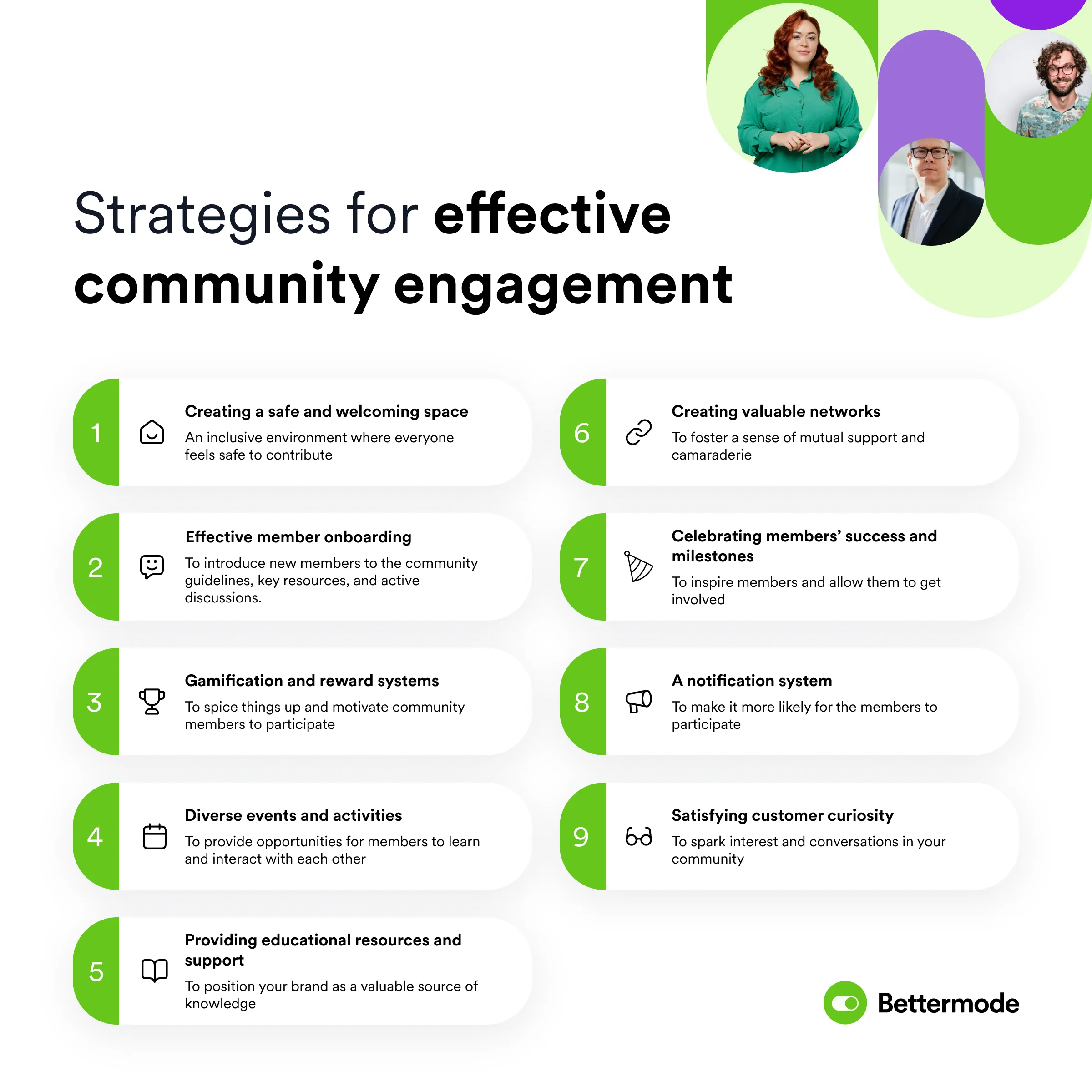
🌟 Community Engagement Strategies for Online Courses
Having the best tools for online course management means nothing if your community is dead. Here’s what actually works:
My Top 10 Engagement Tactics
- Welcome new members personally – I comment on every new member’s introduction post within 24 hours.
- Create weekly themes – Monday Motivation, Wednesday Wins, Friday Feedback.
- Use the gamification system – Recognize top contributors publicly.
- Host monthly challenges – Get everyone working toward the same goal.
- Share member success stories – Nothing motivates like seeing peers succeed.
- Ask questions constantly – Get members responding and discussing.
- Be vulnerable – Share your struggles, not just successes.
- Respond to every comment – At least in the first few months.
- Create exclusive events – Monthly live Q&A only for members.
- Build traditions – Annual member meetups, birthday celebrations, etc.
Engagement Metrics That Matter
| Metric | Good | Great | My Community |
|---|---|---|---|
| Daily Active Users (%) | 20% | 40% | 61% |
| Posts per Day | 5+ | 20+ | 27 |
| Comments per Post | 3+ | 10+ | 9 |
| Member Retention (90 days) | 70% | 85% | 94% |
| Course Completion Rate | 15% | 30% | 37% |
🎯 The Secret: Turn Community into Profitable Business
Here’s what I finally understood: Community isn’t just a “nice to have” feature. It’s the business model itself.
When you create an online learning hub, you’re not just selling information. Anyone can find information for free on YouTube.
You’re selling:
- Accountability – People who will push you to finish
- Connection – Others on the same journey
- Support – Help when you’re stuck
- Structure – A clear path instead of random learning
- Recognition – Celebration of your progress and wins
My members don’t stay because of my courses (though they’re good!). They stay because of each other.
Revenue vs Community Size
Here’s something interesting I discovered:
| Business Model | Typical Member Count | Typical Annual Revenue |
|---|---|---|
| Courses Only (No Community) | 500-2000 | $30,000-$50,000 |
| Community + Courses (Passive) | 200-500 | $40,000-$80,000 |
| Active Community + Courses | 100-300 | $70,000-$150,000 |
You don’t need thousands of members. You need engaged members who feel connected to you and each other.
Ready to go back to Skool? Start with the Free Trial
Start Your 14 Day Free Trial →
Simple Pricing • No Hidden Fees • Cancel Anytime
📝 Skool Membership Site Tutorial: My Beginner’s Checklist
If you’re thinking about starting on Skool, here’s exactly what to do in your first 30 days:
Week 1: Setup
- ✅ Sign up for 14-day free trial at Skool.com
- ✅ Choose your community name carefully (you can change it later, but it’s a hassle)
- ✅ Upload your logo and choose brand colors
- ✅ Write your welcome message
- ✅ Create 3-5 “about” posts explaining the community rules and value
Week 2: Content
- ✅ Record your first 3 course videos (don’t overthink it!)
- ✅ Create your course structure and modules
- ✅ Set up your pricing ($29-$99/month is typical for beginners)
- ✅ Write your sales page (keep it simple and honest)
Week 3: First Members
- ✅ Invite 10 friends/family for free to test everything
- ✅ Get their honest feedback
- ✅ Fix any confusing parts
- ✅ Create your first challenge or event
Week 4: Launch
- ✅ Announce to your email list (if you have one)
- ✅ Post about it on social media
- ✅ Offer a founding member discount
- ✅ Engage daily with every single person who joins
💡 Pro Tip: Read Our Unbiased Review On Skool.com
⚡ Final Thoughts: Was Skool Worth It?
It’s been 14 months since I made the switch to Skool. I went from:
- 😰 Losing money every month → 💰 Making $6,607/month profit
- 🔧 Spending 20 hours/week on tech issues → ⏰ Spending 2 hours/week on platform maintenance
- 😴 Having 3% daily engagement → 🔥 Having 61% daily engagement
- 😞 Feeling like a failure → 😊 Running a real business I’m proud of
Is Skool perfect? No. I still wish it had better email marketing features. The calendar could be more robust. And I’d love more customization options for the interface.
But here’s the thing: Perfect is the enemy of done.
My custom website was going to be “perfect” – and it never got finished. It bankrupted me instead.
Skool is 80% perfect, and that’s exactly what I needed. It’s good enough to run a real business, simple enough that I can focus on my members instead of on tech problems.
🎯 Your Next Steps
If you’re reading this and thinking about starting your own online community platform for educators or coaching business, here’s my advice:
- Don’t wait for perfect – Start with what you have
- Don’t build custom – Use proven tools like Skool
- Don’t chase numbers – 100 engaged members beat 10,000 lurkers
- Don’t complicate it – Simple offerings sell better than complex ones
- Don’t do it alone – Join communities of other creators (yes, there’s a Skool for that!)
You can try Skool free for 14 days. No credit card required. That’s how I started.
I thought I’d test it for a week and probably hate it. Instead, I found the platform that changed my life.
Will it change yours? I don’t know. But I do know this: You’ll never know if you don’t try.
📊 Quick Reference: Key Takeaways
| Question | Answer |
|---|---|
| How much does Skool cost? | $99/month (Pro plan) or $9/month (Hobby plan) |
| Are there transaction fees? | 2.9% + 30¢ per transaction (Pro plan) |
| Is there a free trial? | Yes, 14 days |
| Can I migrate from Facebook? | Yes, expect 5-15% conversion of engaged members |
| Is video hosting included? | Yes, unlimited video hosting included |
| What’s the support like? | Email support typically responds under 2 hours |
| Is it reliable? | 99.9% uptime in my 14-month experience |
| Can I make money? | Yes, I went from $0 to $6,607/month profit |
Skool Just Got Cool
Build you own community and grow your business. Get started now. Simple pricing. No hidden fees
Start Your 14 Day Free Trial →
✓ 14-Day Free Trial | ✓ Cancel anytime | ✓ Try Skool For Free
About the Author: Marcus Cohen is a self-taught web developer who turned his passion into a thriving online education business. He now helps other content creators build and monetize their communities on skool.com. This story is based on his real experience, though some details have been adjusted for privacy.
Disclaimer: Individual results may vary. Success depends on many factors including your niche, content quality, marketing efforts, and dedication. The revenue numbers shared are specific to this case study and should not be considered typical or guaranteed results.
This review was last updated: Friday, October 23rd, 2026
All pricing and features accurate as of publication date. Features and pricing subject to change.